News - Practice Updates

Newsletter

To receive future editions of the newsletter straight to your inbox sign up below.

This form is protected by reCAPTCHA and the Google Privacy Policy and Terms of Service apply.

Public advised to stop using some non-sterile alcohol-free wipes

UKHSA and MHRA are urging the public not to use 4 specified non-sterile alcohol-free wipe products due to the risk of infection associated with their use.

The UK Health Security Agency (UKHSA) and Medicines and Healthcare products Regulatory Agency (MHRA) are reminding the public not to use 4 specified non-sterile alcohol-free wipe products under any circumstances due to an ongoing risk of infection associated with their use.

Additionally, UKHSA and MHRA would like to remind people that non-sterile alcohol-free wipes, of any type or brand, should not be used for first aid, applied on broken or damaged skin and should never be used for cleaning intravenous lines.

These four products should not be used under any circumstances:

  • ValueAid Alcohol Free Cleansing Wipes
  • Microsafe Moist Wipe Alcohol Free
  • Steroplast Sterowipe Alcohol Free Cleansing Wipes
  • Reliwipe Alcohol Free Cleansing Wipes (testing revealed contamination with a Burkholderia strain not related to the outbreak cases)

The MHRA issued notices to the sellers of these products in July, resulting in their withdrawal from sale. However, some of these products may still remain in some first aid kits and in people’s homes. Members of the public should check for these wipes in their home including in first aid kits. Anyone who still has any of the identified affected products should stop using them immediately and dispose of them in standard household waste.

Cases of invasive meningococcal disease notified in Kent

The UK Health Security Agency is continuing to investigate an outbreak of meningococcal disease in Kent. Sadly, 2 people are known to have died, with no further deaths since the last update. Notified cases numbers are published on a daily basis. For further updates and information please follow this link https://www.gov.uk/government/news/cases-of-invasive-meningococcal-disease-confirmed-in-kent.

We have not been instructed to offer any meningitis B vaccinations to any cohorts registered at our practice, and children that have missed their imms are not eligible for Meningitis B vaccination from their second birthday. 
 
Fo Men ACWY enquiries, if children remain of school age, they should be referred to the school team for anything they have missed. If they are not longer at school, they will remain eligible for their MenACWY until their 25th birthday. Plesae contact us to seek further information if needed. 

Meningococcal disease (meningitis and sepsis) is an uncommon but serious disease caused by meningococcal bacteria. Very occasionally, the meningococcal bacteria can cause serious illness, (inflammation of the lining of the brain) and sepsis (blood poisoning).

The onset of illness is often sudden and early diagnosis and treatment with antibiotics are vital.

Early symptoms, which may not always be present, include:

  • a rash that doesn’t fade when pressed with a glass
  • sudden onset of high fever
  • severe and worsening headache
  • stiff neck
  • vomiting and diarrhoea
  • joint and muscle pain
  • dislike of bright lights
  • very cold hands and feet
  • seizures
  • confusion/delirium
  • extreme sleepiness/difficulty waking

Young people going on to university or college for the first time are particularly at risk of meningitis because they newly mix with so many other students, some of whom are unknowingly carrying the bacteria at the back of their nose and throat.

There are numerous strains of the meningococcal infection. The MenACWY vaccination gives good protection against MenA, MenC, MenW, and MenY and is routinely offered to teenagers in school Years 9 and 10. However, this vaccine does not protect against all forms of meningococcal infection. Other strains such as MenB can circulate in young adults, which is why it’s important to know how to spot the symptoms of meningitis and sepsis as early detection and treatment can save lives. 

Further information on meningococcal disease

Non- Emergency Patient Transport Service (NEPTS) - Update

The Non-Emergency Patient Transport Service (NEPTS), provided by South Central Ambulance Service NHS Foundation Trust (SCAS), delivers transport for eligible patients who have a medical reason that means they are not able to travel for treatment by another method.

Health Care Professionals will no longer have access to book routine outpatient appointments for patients. You, your relatives, and carers can access Transport Zone to manage the booking process from end to end.

If it is your first use of NEPTS, you will need to book via the telephone and create your record and thereafter the online system will be available. They will require the following information to set up an account on the SCAS patient hub.

• NHS Number

• DOB

Patients can book via the online platform up to 20 days in advance but no later than 2 working days before the appointment. This platform enables the patient to

  • Place a booking on the system.
  • Amend a booking.
  • Cancel a Transport booking.
  • Obtain an Estimated Time of Arrival

    Telephone Numbers: For Patients that do not have access to book via the online platform you may use the following numbers

    Hampshire Patient Led Line – 0300 123 9833 

doors

Please be patient. Please be kind

Why are GP Practices still working differently?

Things are getting back to normal - why isn't my GP?

The pandemic is not over yet and the modelling suggests that COVID is continuing to spread. We are trying our best to maintain a balance of protecting  our patients particularly those who are vulnerable from unnecessary exposure to risks, we are able to do so by minising physical visits to the practice, maintaing social distance and observe strict measures of infection control.

How are practices working now?

All patients are being offered telephone consultations - this means that you are able to receive care when needed and we are able to offer face to face consultations to those who need physical examination or make sure face-to-face appointments are reserved for those who really need them. We are able to offer video consultations where appropriate. Our system has helped us to ensure that everyone get the type of appointment they need and you don't have to travel to the surgery if it is not necessary. Our experience suggests that in many cases we are able to effectively offer treatment after telephone consultation. We are also able to offer an appointment for face to face consultation that esures we can see you within recommended guidance for infection prevention and control. 

What is Triage?

The doctor will assess all the information from every phone query and eConsult and decide who needs to be seen in person, who needs a phone consultation, who needs to be seen via video and who can be directed to a community pharmacist etc.

What is eConsult?

eConsult is an online way of contacting your doctor to get help and support. There is lots of information that you can use to help yourself too.

Find out more by watching this video: https://www.youtube.com/watch?v=1fGEpzrgAJc 

Why do reception staff ask personal questions?

GP reception staff are vital members of the practice team and treat all information as confidential. They ask questions to ensure that patients are directed to the best support, within and outwith the practice. They are trained to ensure patients are able to seek advice from their GP or nurse in a timely way and by asking the reasons for your contact they are able to prioritise your request and inform relevant team member to attend to it in good time.

Where else can I get help?

Community Pharmacists (chemists) can help with many common ailments and illnesses and can prescribe some medicines too.

You can also contact Minor Eye Conditions Service to seek advice about eye symptoms for further information please follow link as follows - https://www.cheviotroadsurgery.nhs.uk/minor-injury--illness 

Learn more about using appropriate services in the time of need by following link below

Use the Right Service

What about emergencies?

If it is a genuine medical emergency then you should call 999 and ask for an ambulance.

If you need emergency care but are not in imminent danger then you should call 111

Please be patient

Primary Care Teams have been on the frontline and have been working incredibly hard throughout the pandemic. We really are doing our best to help you.

Just like you we want to get back to as close to normal as possible as soon as possible, but we are not there yet.

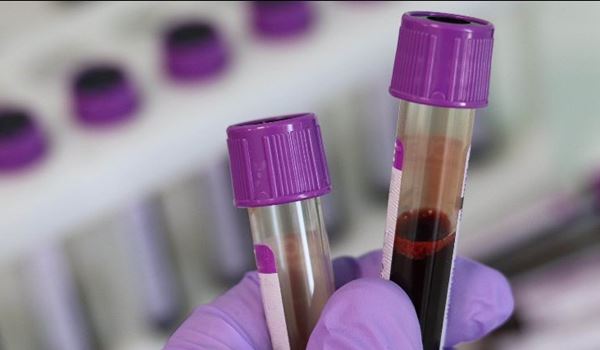
Blood Bottles

Blood Test Service: Blood Test Arrangements for Adults over 16 years age

Southampton General Hospital is offering blood tests to people aged over 16 years on site - for further information please read below

All appointments must be booked in advance. You can book or amend an appointment online at: https://patientbooking.uhs.nhs.uk, or call: 023 8120 4877.

Children’s blood tests have not changed. These are available at Southampton General Hospital, Butterfly Room, and can be booked via 023 8120 2024

Page last reviewed: 22 March 2026
Page created: 26 August 2020